
Introduction
Crypto Fraud Platforms are becoming one of the biggest digital threats for retirees, seniors, and first-time crypto users. As cryptocurrency becomes more popular, scammers are creating fake exchanges, fake apps, and fake investment platforms that look real but exist only to steal money and personal information.
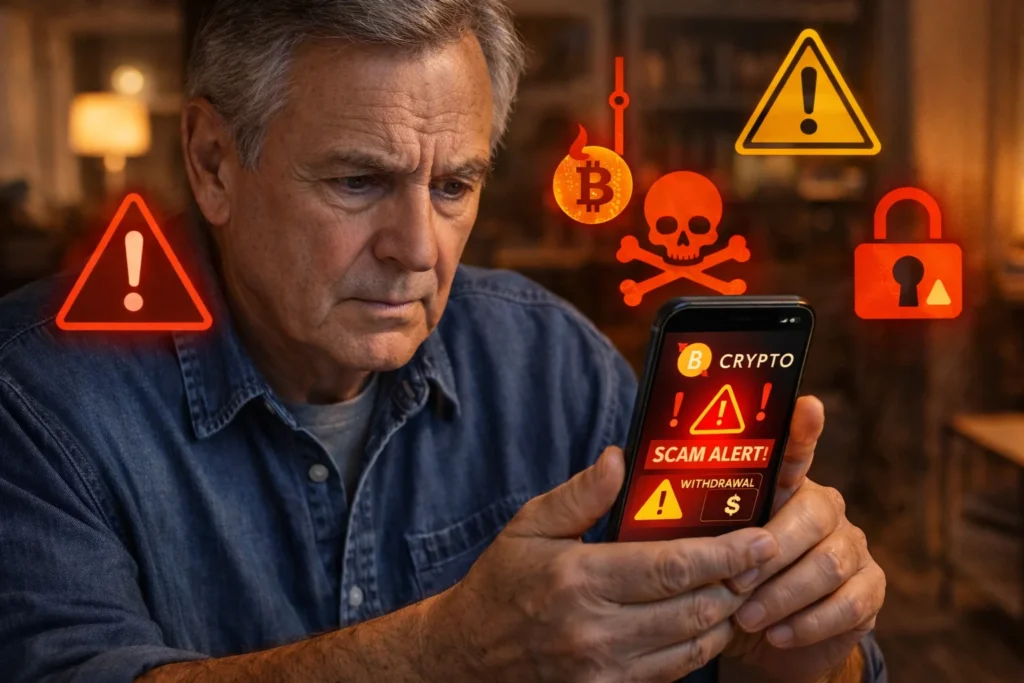
Many older adults and retirees enter crypto with good intentions — to protect savings from inflation, grow retirement income, or explore digital investments. Unfortunately, fraud platforms take advantage of this curiosity and trust. They use professional websites, fake customer support, and false promises of guaranteed profits.
Understanding Crypto Fraud Platforms – How to Spot Fake Exchanges is now essential for financial safety. Knowing the warning signs can save your savings, your identity, and your peace of mind.
This guide is written in clear, simple language to help seniors, retirees, and families recognize crypto scams, avoid fake exchanges, and stay financially safe in the digital world.
What Are Crypto Fraud Platforms?
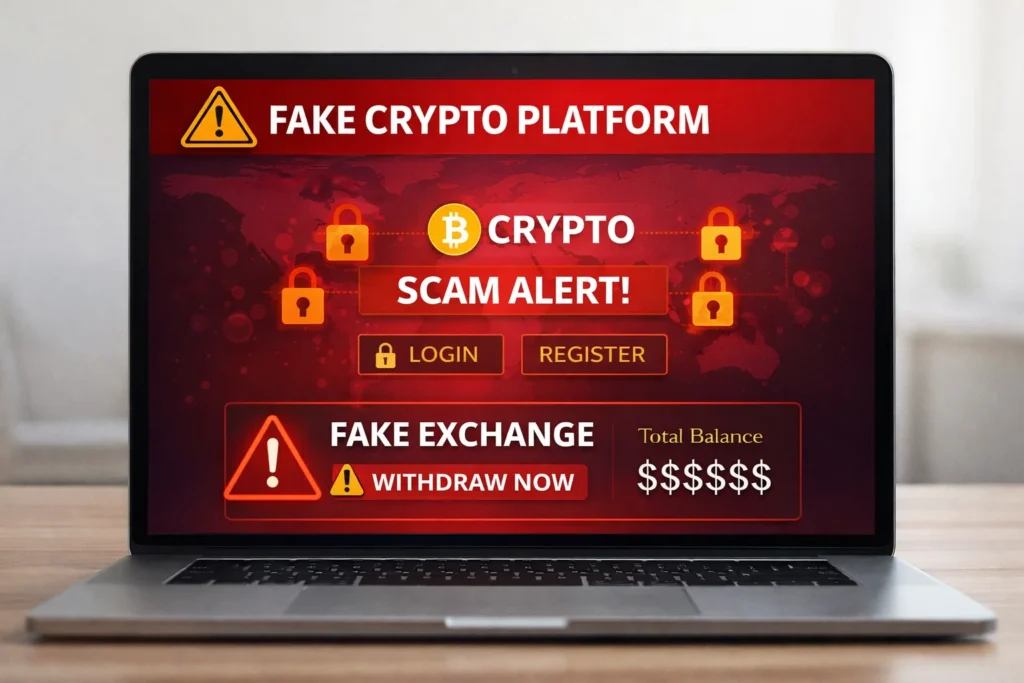
Crypto fraud platforms are fake websites, mobile apps, or digital services that pretend to be real cryptocurrency exchanges or investment platforms. Their only purpose is to steal money, login details, or personal information.
These platforms often look professional and trustworthy. They may copy the design of real exchanges, use fake certificates, show fake reviews, and display fake profit dashboards.
Common types include:
- Fake crypto exchanges
- Fake wallet apps
- Fake investment platforms
- Scam mining websites
- Fraud trading bots
- Clone websites of real exchanges
These scams are designed especially for beginners and elderly users who are not familiar with crypto technology.
Why Seniors and Retirees Are Targeted

Scammers often target older adults because:
- They may have retirement savings
- They are new to crypto technology
- They trust professional-looking websites
- They avoid complex technical verification
- They respond to emotional promises
- They seek financial security
Fake platforms use fear, urgency, and trust manipulation to push users into quick decisions.
Crypto Fraud Platforms Warning Signs You Must Never Ignore
1. Guaranteed Profits
Real crypto investments never guarantee returns. Any platform promising:
- “Guaranteed income”
- “No risk profit”
- “Fixed daily returns”
is a scam.
2. Fake Customer Support
Scam platforms use:
- WhatsApp numbers only
- Telegram support only
- No official email
- No office address
- No real company registration
3. Pressure to Act Fast
Messages like:
- “Limited time offer”
- “Account will close”
- “Deposit now”
- “Opportunity ending today”
are emotional pressure tactics.
4. No Regulation or Licensing
Real exchanges show:
- Company registration
- Licensing information
- Legal compliance
- Regulatory mentions
Fake platforms hide all legal information.
5. Deposit Only – No Withdrawals
Scam platforms allow deposits but block withdrawals using excuses like:
- Verification fees
- Tax charges
- Upgrade fees
- Security fees
How Fake Exchanges Trick Users
Crypto fraud platforms use psychological tricks such as:
- Fake profit dashboards
- Fake trading activity
- Fake account growth
- Fake testimonials
- Fake user screenshots
- Fake news articles
- Fake celebrity endorsements
They make victims believe they are earning money while actually stealing deposits.
How to Verify Real Crypto Exchanges
Before trusting any exchange:
✔ Check company registration
✔ Search reviews on trusted forums
✔ Verify domain age
✔ Check regulatory mentions
✔ Confirm real social media accounts
✔ Use official app stores
✔ Compare website with official brand site
✔ Check SSL certificates
✔ Look for transparent policies
Crypto Safety Rules for Seniors and Retirees
1. Never Rush
Take time to research. Real investments never rush you.
2. Never Share Private Keys
No real exchange asks for private keys or recovery phrases.
3. Use Known Exchanges Only
Use trusted global platforms with verified reputations.
4. Avoid Private Investment Groups
Telegram and WhatsApp investment groups are common scam sources.
5. Never Trust Online Strangers
Scammers build emotional relationships to gain trust.
Safety Education
For deeper protection, link readers to:
- Identity Theft Warning Signs – How to Protect Your Digital Identity
- Bank Call Asking for CVV Number — Is This a Scam or Real?
- Life After Retirement – Why It’s Actually a New Beginning
- Mental Wellness Practices for Senior Happiness
Authority Resources
Use these high-authority sources:
- Federal Trade Commission (FTC) – Crypto Scam Awareness
- FBI Internet Crime Complaint Center (IC3)
- U.S. Securities and Exchange Commission (SEC) Crypto Investor Alerts
- Consumer Financial Protection Bureau (CFPB)
- Coinbase Learn Center
- Binance Academy
- Europol Cybercrime Reports
Why Crypto Education Matters for Financial Safety
Crypto is not evil — scams are. Education protects people, especially seniors, from digital exploitation. Understanding fraud platforms prevents emotional loss, financial damage, and identity theft.
Digital awareness is now part of modern retirement safety.
Crypto Fraud Platforms and Emotional Scams
Scammers use:
- Friendship
- Romance
- Trust
- Sympathy
- Fear
- Loneliness
They emotionally connect before financial exploitation. This is called social engineering fraud.
What To Do If You’re Scammed
- Stop sending money
- Save all evidence
- Report to local cybercrime authority
- Contact your bank
- Change passwords
- Secure email and phone
- Warn family members
Early action reduces damage.
Conclusion
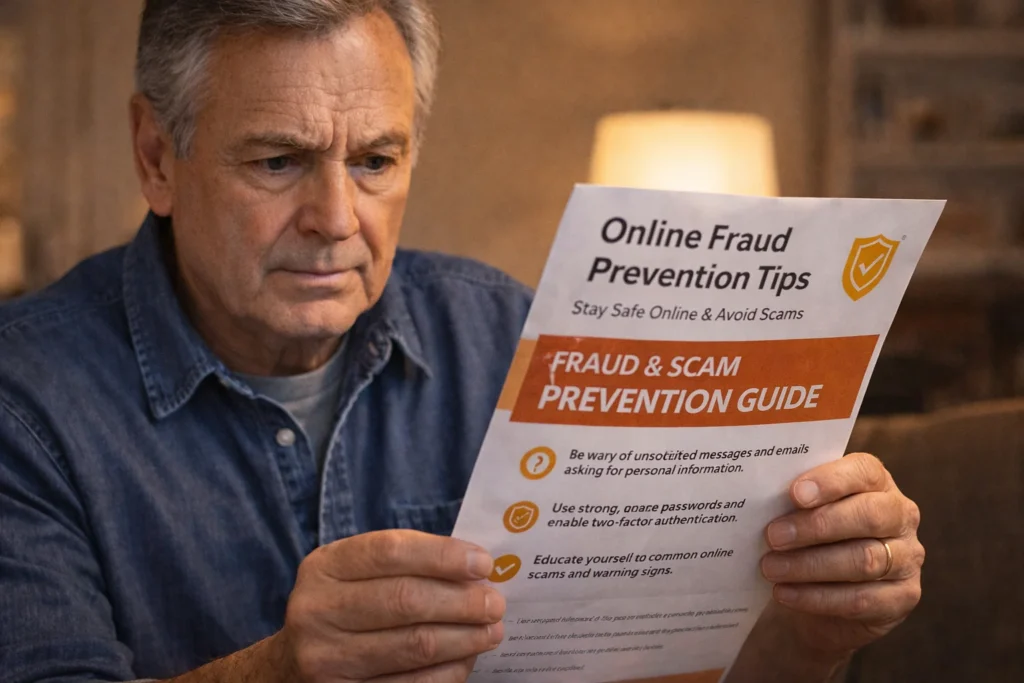
Crypto Fraud Platforms – How to Spot Fake Exchanges is not just a crypto topic — it is a financial safety topic for retirees, seniors, and families.
Scammers thrive on confusion and fear. Knowledge creates protection. By learning the warning signs, verifying platforms, and following digital safety rules, people can protect their savings and future.
Crypto can be useful when used safely — but only when education comes before investment.
Digital safety is modern financial wisdom.
Frequently
What are crypto fraud platforms?
Crypto fraud platforms are fake websites or apps that pretend to be real crypto exchanges but are designed to steal money and personal information.
How do I know if a crypto exchange is fake?
Fake exchanges promise guaranteed profits, lack regulation, block withdrawals, use fake support, and pressure users to deposit quickly.
Are WhatsApp and Telegram crypto groups safe?
Most investment groups on WhatsApp and Telegram are scams. Real exchanges do not recruit through private messaging.
Can seniors safely use cryptocurrency?
Yes, but only with proper education, verified platforms, and strong digital security habits.
What should I do if I sent money to a fake exchange?
Stop payments immediately, save evidence, contact your bank, report to cybercrime authorities, and secure your digital accounts.