
Financial compliance is a critical part of how banks, financial institutions, and even small businesses protect customers, prevent fraud, and follow the law. While most people only hear the term when something goes wrong — like a frozen account or a declined debit card — financial compliance works quietly in the background every day.
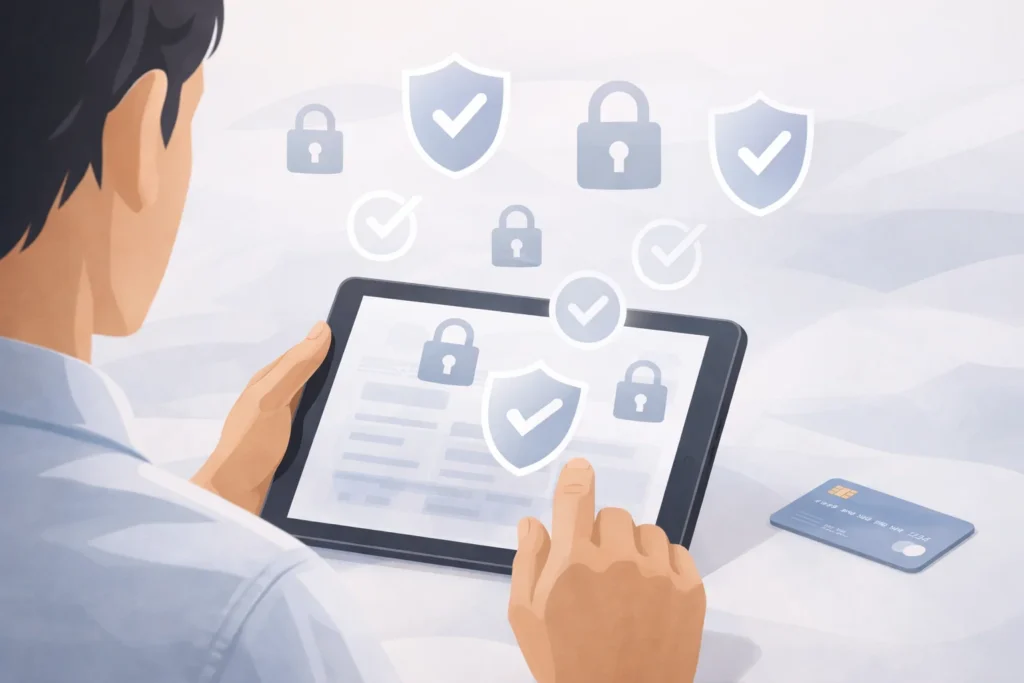
Understanding what financial compliance is and why it matters helps you make sense of bank alerts, transaction blocks, identity checks, and fraud prevention systems. More importantly, it explains why banks sometimes say “no” even when your money is available.
What Is Financial Compliance?
Financial compliance refers to the rules, laws, and internal policies that financial institutions must follow to operate legally and ethically. These rules are designed to:
- Protect customers’ money
- Prevent fraud and identity theft
- Stop money laundering and financial crimes
- Ensure transparency and fairness
Banks, credit unions, payment processors, and fintech companies are all required to follow strict compliance standards set by regulators.
In simple terms:
👉 Financial compliance exists to keep the financial system safe for everyone.
Why Financial Compliance Exists
Without financial compliance, the banking system would be vulnerable to:
- Fraud and scams
- Identity theft
- Illegal transactions
- Abuse of customer funds
Compliance rules create checks and balances that protect both customers and institutions.
Real-world example
If a debit card transaction looks unusual, compliance systems may automatically block it until verified. This is often the reason behind sudden card declines.
👉 Internal link:
This is explained in detail in
Debit Card Declined Suddenly — Is It Fraud or a Bank Issue?
Key Areas of Financial Compliance
Financial compliance covers several important areas. Here are the most common ones that directly affect everyday users.
1. Anti-Money Laundering (AML)
AML rules require banks to monitor transactions for suspicious patterns that could involve illegal activities.
This includes:
- Large unexplained transfers
- Frequent international transactions
- Unusual account behavior
If flagged, accounts may be temporarily restricted while reviewed.
Trusted external source:
Financial Crimes Enforcement Network (FinCEN)
🔗 https://www.fincen.gov
2. Know Your Customer (KYC)
KYC rules require banks to verify customer identity.
This is why banks ask for:
- ID documents
- Address verification
- Updated contact details
Failure to update KYC information can lead to account limitations or card blocks.
3. Fraud Prevention and Transaction Monitoring
Banks use automated systems to detect:
- Unauthorized transactions
- Card misuse
- Suspicious merchant activity
These systems protect customers but can sometimes block legitimate transactions.
👉 Internal link:
Related safety guidance can also be found in
Best Ways Seniors Can Protect Their Bank Accounts
4. Data Protection and Privacy
Financial compliance also includes protecting customer data.
Banks must follow strict rules regarding:
- Data storage
- Information sharing
- Breach reporting
This ensures your personal and financial data is not misused.
Trusted external reference:
U.S. Federal Trade Commission – Financial Privacy
🔗 https://consumer.ftc.gov
Why Financial Compliance Matters to Customers
Many people think compliance only benefits banks — but that’s not true.
Financial compliance helps customers by:
- Preventing unauthorized withdrawals
- Reducing fraud losses
- Ensuring fair dispute resolution
- Protecting personal data
- Creating accountability
Even when compliance causes inconvenience, it is usually protective, not punitive.
How Financial Compliance Affects Daily Banking
You may encounter financial compliance when:
- Your debit card is declined
- Your account is temporarily frozen
- A transaction is delayed
- The bank asks for verification
- An international payment fails
These actions are usually preventive, not permanent.
Understanding compliance reduces panic and helps you respond calmly.
Is Financial Compliance the Same Worldwide?
The core principles are similar, but rules vary by country.
For example:
- The U.S. follows regulations from agencies like FinCEN and the FTC
- The UK follows FCA regulations
- Other countries have their own financial authorities
Despite differences, the goal remains the same: financial safety and transparency.
Common Misunderstandings About Financial Compliance
❌ “My bank is targeting me”
Most compliance actions are automated and behavior-based, not personal.
❌ “Compliance means I did something wrong”
Not necessarily. Many checks are routine or preventive.
❌ “Banks freeze accounts randomly”
Blocks usually follow predefined risk indicators.
What You Should Do If Compliance Affects Your Account
If your card or account is affected:
- Stay calm
- Check official bank notifications
- Contact customer support using verified channels
- Provide requested verification
- Avoid repeated failed transactions
Never share:
- CVV numbers
- One-time passwords
- Full card details
Frequently Asked Questions (FAQs)
1. What is financial compliance in simple terms?
Financial compliance means banks and financial institutions follow laws and rules to protect customers, prevent fraud, and keep the financial system safe.
2. Why does financial compliance cause debit card declines?
Compliance systems monitor transactions for risk. If something looks unusual, the system may temporarily block the card for verification.
3. Is financial compliance good or bad for customers?
It is good for customers. While it may cause short-term inconvenience, it prevents fraud, identity theft, and financial loss.
4. Can I avoid compliance checks completely?
No. All regulated financial institutions must follow compliance rules. However, keeping your information updated reduces issues.
5. Who enforces financial compliance?
Government regulators and financial authorities enforce compliance laws, while banks implement them internally.
Final Thoughts
Financial compliance may feel invisible — until it affects you. But its purpose is clear: to protect your money, identity, and trust in the financial system.
Understanding compliance helps you react wisely to card declines, account alerts, and verification requests. Instead of panic, you gain clarity — and that knowledge puts you back in control.
For more practical, safety-focused financial guides, explore the resources on Elder Earn