
As a retiree, safeguarding your hard-earned benefits and personal information is crucial — especially as Social Security Phone Scams Every Retiree Must Know continue to evolve in sophistication. In the United States and the United Kingdom, fraudsters frequently impersonate government agencies such as the Social Security Administration (SSA) or the Department for Work and Pensions (DWP), attempting to trick retirees into sharing sensitive information or sending money. This guide will help you recognize, avoid, and report phone scams that specifically target older adults and government benefit recipients.
Thank you for reading this post, don't forget to subscribe!
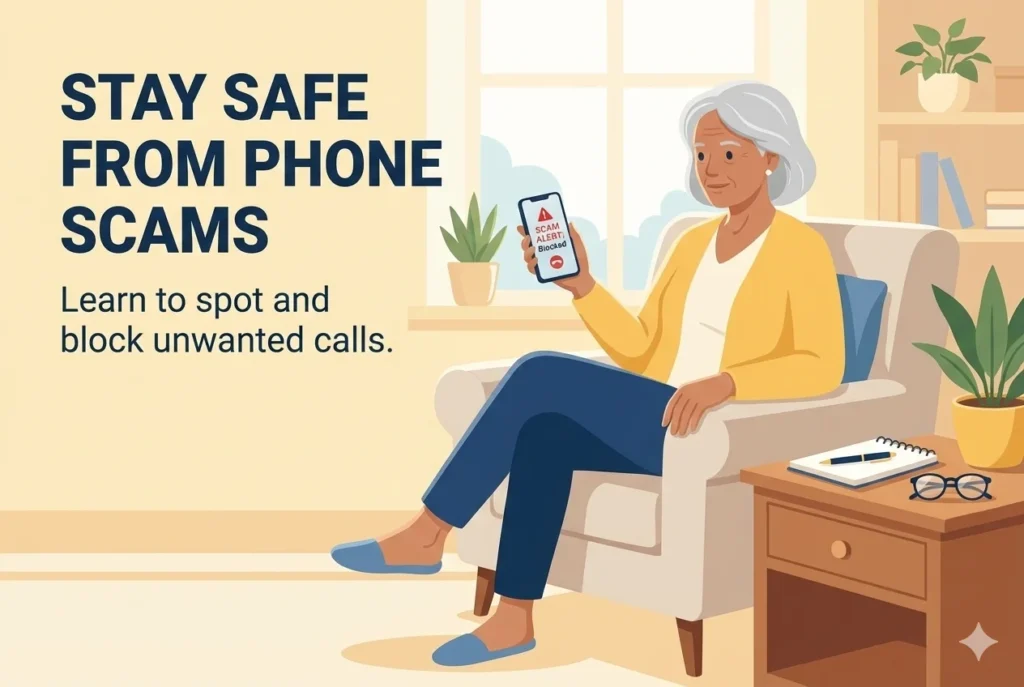
🛑 What Are Social Security Phone Scams?
Social Security phone scams are fraudulent calls where scammers pretend to represent the Social Security Administration or related government offices.
The goal is typically to:
- extract personal information (e.g., Social Security number, bank details),
- coerce victims into sending money, or
- create fear by claiming legal action or benefit suspension.
These scammers may use:
- caller ID spoofing — showing an official number while calling from a different source,
- fake official names or badge numbers, and
- phony documents or threats to appear legitimate.
📉 Common Scam Tactics to Watch For
Here are the most common ways fraudsters try to trick retirees:
📞 1. Threats About Your Social Security Number
Scammers claim your Social Security number will be suspended or has been used in a crime. They pressure you to confirm your identity or pay a “fine” to avoid consequences.
✔ Real SSA will never threaten arrest or demand payment over the phone.
💸 2. Demands for Immediate Payment
Fraudsters ask you to send money by unusual methods — gift cards, wire transfers, cryptocurrency, or mailing cash — to solve a supposed problem.
✔ SSA never asks for payment this way.
📇 3. Promised Benefit Increases
Some scammers falsely promise higher benefits if you provide personal details or pay upfront.
✔ Official agencies don’t increase benefits for payment.
✉️ 4. Fake Documentation
You might receive emails or attachments that look official but include errors and forged letterhead to convince you they are real.
✔ Always verify official communication with SSA directly.
🇺🇸 U.S. Official Guidance on Social Security Scams
The Social Security Administration’s Office of the Inspector General (OIG) provides authoritative scam awareness information:
🔗 Warning Issued for Widespread Social Security Phone Scams
Official alert detailing how scammers impersonate SSA/OIG and how to tell the difference.
🔗 Identify the Scam — OIG Scam Awareness
Clear checklist of what is and isn’t a legitimate request from SSA.
💡 Key Tip: If you haven’t recently applied for a benefit or requested a callback, SSA typically won’t call you out of the blue.
🇬🇧 UK Government Advice on Scam Calls
Even though the UK doesn’t have the U.S. Social Security system, retirees may still be targeted through scams related to pensions and benefits, especially Winter Fuel Payments and other state disbursements. The UK government provides clear guidance on how to handle suspicious contacts:
🔗 Avoid & Report Internet Scams and Phishing — GOV.UK
Official UK government page on spotting and reporting all kinds of scams, including suspicious phone calls.
🔗 Pensioners Warned About Winter Fuel Payment Scams
Highlights the surge in scam text messages and advice that legitimate government bodies won’t ask for bank details by text message.
📌 UK Retirees Should Also Know: Do not disclose personal data over unsolicited calls, and report suspicious texts by forwarding to 7726 or via Action Fraud.
🛡️ How to Protect Yourself
Here are practical safety steps every retiree should follow:
☎️ Never Share Personal Info on Unsolicited Calls
Your Social Security number, bank account numbers, or password should be kept private unless you initiate the contact.
📬 Official Agencies Communicate Mostly by Mail
If there’s an issue with your SSA account or benefits, you’ll often receive an official letter first — not a random phone call.
📊 Check with Official Numbers
If you’re unsure about a call, hang up and call the official number listed on the government site:
- SSA National Toll-Free: 1-800-772-1213 (U.S.)
- Report suspicious UK calls: via Gov.UK reporting channels.
🧑💻 Use Call Blocking and Do Not Disturb
Many smartphones and carriers offer features to block suspected spam calls.
📍 Reporting Scams
🇺🇸 USA
Report Social Security scams via the SSA Office of the Inspector General:
👉 https://oig.ssa.gov/scam
You can also report to the Federal Trade Commission (FTC) or your phone provider.
🇬🇧 UK
Report scams and phishing attempts using the GOV.UK resources:
👉 https://www.gov.uk/report-suspicious-emails-websites-phishing
🏁 Final Thoughts: Stay Alert, Stay Safe
Phone scams often sound urgent and official, but remembering a few simple rules will keep you safer:
- Government agencies will not call to demand payments or threaten you.
- Callbacks should only be made through official numbers you verify independently.
- If in doubt — hang up and check with the agency directly.
By staying informed and cautious, every retiree can protect themselves from becoming a victim of phone scams and enjoy their retirement with peace of mind.
🔗 Related Internal Resources You Might Like
- What to Do If You Receive a Scam Call
- How to Report Fraud and Identity Theft
- Protecting Personal Information Online
Frequently Asked Questions (FAQs)
1. What are Social Security phone scams every retiree must know about?
Social Security phone scams every retiree must know about usually involve scammers pretending to be from the Social Security Administration. These callers often claim your benefits will be suspended, your Social Security number is involved in a crime, or immediate action is required. Their goal is to scare retirees into sharing personal information or sending money.
2. Why are retirees targeted in Social Security phone scams?
Retirees are often targeted because they receive regular government benefits and may trust calls that appear to come from official agencies. Social Security phone scams every retiree must know rely on urgency and fear, assuming older adults may respond quickly to protect their benefits.
3. Will Social Security ever call me and threaten to stop my benefits?
No. A key warning sign in Social Security phone scams every retiree must know is threats. The real Social Security Administration does not threaten arrest, demand immediate payment, or suspend benefits over the phone.
4. What personal information do scammers try to steal?
In Social Security phone scams every retiree must know, scammers often ask for your Social Security number, bank account details, Medicare number, or online account passwords. Legitimate government agencies will never ask for this information during an unsolicited phone call.
5. How can I tell if a Social Security phone call is fake?
Common red flags in Social Security phone scams every retiree must know include caller ID spoofing, pressure to act immediately, requests for payment via gift cards or cryptocurrency, and refusal to send written notice. Any of these signs indicate a scam.
6. What should I do if I receive a suspicious Social Security call?
If you receive a call that matches Social Security phone scams every retiree must know, hang up immediately. Do not press any buttons or provide information. You should report the call to the Social Security Office of the Inspector General or your local fraud reporting agency.
7. Can Social Security phone scams happen by voicemail or robocalls?
Yes. Many Social Security phone scams every retiree must know start with robocalls or voicemails asking you to call back. These messages often sound urgent or official but are designed to lure you into direct contact with scammers.
8. How can retirees protect themselves from Social Security phone scams?
The best defense against Social Security phone scams every retiree must know is awareness. Never share personal information over unsolicited calls, verify any request by contacting Social Security through official channels, and use call-blocking tools to reduce scam calls.
9. Are Social Security phone scams increasing?
Yes. Reports show that Social Security phone scams every retiree must know continue to increase each year as scammers use new technology and spoofed numbers to appear more convincing. Staying informed is essential to staying protected.
10. Where can I report Social Security phone scams?
If you encounter Social Security phone scams every retiree must know, report them to the Social Security Administration’s Office of the Inspector General. Reporting helps protect other retirees and improves fraud prevention efforts.