
Introduction
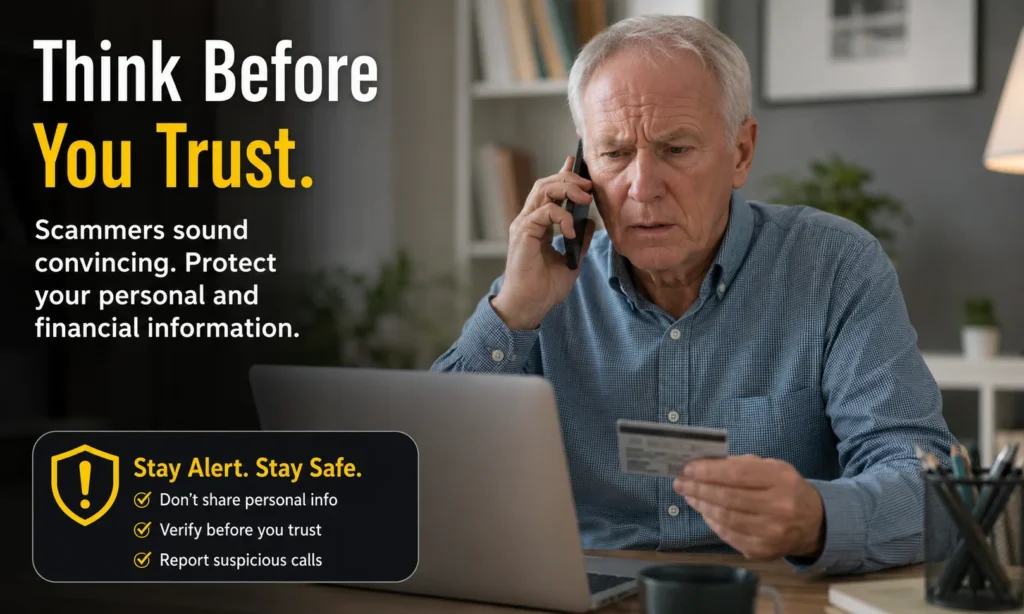
As technology continues to evolve, financial scams are becoming more sophisticated. Older adults are often targeted because scammers assume they have retirement savings, home equity, or long-established financial accounts. While many seniors are financially experienced, modern scams frequently rely on deception, urgency, and digital manipulation rather than traditional fraud tactics.
Learning how to Protect Savings from Financial Scams is more important than ever in 2026. The good news is that a few practical habits can significantly reduce the risk of financial loss. By understanding common scam techniques and following proven safety practices, seniors can confidently manage their finances while protecting the savings they worked hard to build.
If you’re focused on retirement security and financial independence, scam prevention should be an essential part of your overall financial plan.
Why Financial Scams Target Seniors
Scammers look for opportunities where trust and urgency can be exploited. Seniors often become targets for several reasons:
- Many retirees have accumulated savings over decades.
- Scammers assume older adults may be less familiar with new technology.
- Some seniors prefer phone conversations, making them vulnerable to impersonation scams.
- Fraudsters frequently use emotional manipulation involving family emergencies or financial threats.
It is important to remember that anyone can become a victim of fraud. Scam attempts are becoming more convincing every year, affecting people of all ages and backgrounds.
Common Financial Scams Seniors Should Know About in 2026
Understanding modern scam tactics is the first step toward prevention.
1. Bank Impersonation Scams
Scammers pretend to represent a bank’s fraud department. They may claim suspicious activity has been detected and request account details, passwords, verification codes, or transfers to a “safe account.”
Banks generally do not ask customers to share passwords or one-time verification codes over the phone.
2. Government Agency Impersonation
Fraudsters may claim to represent tax authorities, social security offices, or law enforcement agencies. They often create urgency by threatening penalties or account freezes.
Legitimate government agencies typically communicate through official channels and do not demand immediate payments through unusual methods.
3. Tech Support Scams
A popup, phone call, or email may warn that a computer has been infected with malware. Victims are then encouraged to provide remote access or pay for unnecessary services.
4. Investment and Cryptocurrency Scams
Promises of guaranteed returns, exclusive opportunities, or risk-free investments should always raise concerns.
Legitimate investments carry risk, and reputable financial professionals avoid making unrealistic promises.
5. Family Emergency Scams
A scammer pretends to be a grandchild, family member, or friend facing an emergency and needing immediate money.
These scams rely heavily on emotion and urgency.
6. Online Shopping and Marketplace Fraud
Fake websites and fraudulent sellers can collect payment information without delivering products or services.
Always verify website legitimacy before entering payment information.
How to Protect Savings from Financial Scams: Step-by-Step Guide
Step 1: Verify Before You Trust
Never rely solely on information provided during an unexpected phone call, email, or text message.
Instead:
- Hang up politely.
- Locate the official phone number yourself.
- Contact the organization directly.
- Verify the request independently.
This simple habit prevents many fraud attempts.
Step 2: Use Strong Password Security
Strong passwords remain one of the most effective defenses against unauthorized account access.
Best practices include:
- Creating unique passwords for each account.
- Using password managers when appropriate.
- Avoiding personal information such as birthdays.
- Updating passwords periodically.
Security teams consistently recommend strong password hygiene as a critical protection measure.
Step 3: Enable Multi-Factor Authentication
Multi-factor authentication (MFA) adds an additional layer of security.
Even if a password becomes compromised, scammers often cannot access the account without the second verification step.
Many banks, investment platforms, and email providers now offer MFA at no additional cost.
Step 4: Monitor Financial Accounts Regularly
Review:
- Bank statements
- Credit card transactions
- Investment account activity
- Retirement accounts
Early detection allows suspicious transactions to be reported quickly.
Many financial institutions also provide fraud alerts and transaction notifications.
Step 5: Be Cautious with Links and Attachments
Scammers frequently use emails and text messages that appear legitimate.
Before clicking:
- Check the sender’s address.
- Look for spelling errors.
- Verify website URLs.
- Visit websites directly instead of using embedded links.
Cybersecurity experts regularly recommend avoiding unsolicited links whenever possible.
Step 6: Discuss Financial Decisions with Someone You Trust
Large financial decisions should never feel rushed.
Consider discussing major transactions with:
- A trusted family member
- A financial advisor
- A trusted friend
- Your bank representative
A second opinion often helps identify warning signs that may otherwise be overlooked.
Real-Life Example: Spotting a Bank Scam
Imagine a retiree receives a call claiming suspicious activity has been detected on their account.
The caller sounds professional and asks for a verification code that was just sent by text message.
The retiree pauses and remembers a simple rule: never share verification codes.
Instead of continuing the call, they hang up and contact their bank using the number listed on the back of their debit card.
The bank confirms there was no fraud investigation and that the call was a scam attempt.
A few minutes of caution prevented a potentially serious financial loss.
Prevention Habits That Strengthen Financial Security
Daily habits often provide the strongest defense.
Keep Software Updated
Updates frequently contain security improvements that protect devices from newly discovered threats.
Enable automatic updates whenever possible.
Secure Home Wi-Fi Networks
Use:
- Strong Wi-Fi passwords
- Updated routers
- Secure network settings
Avoid conducting financial transactions on public Wi-Fi networks.
Shred Sensitive Documents
Identity thieves can misuse discarded documents containing:
- Account numbers
- Personal information
- Financial statements
Destroy documents before disposal.
Limit Personal Information Online
Oversharing on social media can provide scammers with information used to create convincing fraud attempts.
Be selective about what is shared publicly.
Do’s and Don’ts for Seniors
Do’s
✅ Verify requests independently.
✅ Use multi-factor authentication.
✅ Review account activity regularly.
✅ Keep devices updated.
✅ Report suspicious activity immediately.
✅ Consult trusted individuals before large transactions.
Don’ts
❌ Share passwords or verification codes.
❌ Respond to pressure tactics.
❌ Send money to unknown individuals.
❌ Click suspicious links.
❌ Assume a caller is legitimate because they know personal details.
❌ Make rushed investment decisions.
Common Mistakes That Increase Scam Risk
Many scam victims report similar patterns.
Acting Too Quickly
Fraudsters intentionally create urgency.
Taking time to think often reveals inconsistencies.
Trusting Caller ID
Caller ID can be manipulated.
Always verify independently.
Ignoring Small Warning Signs
Minor concerns such as poor grammar, unusual requests, or unexpected contact should never be dismissed.
Using the Same Password Everywhere
A single compromised password can expose multiple accounts.
Unique passwords reduce this risk significantly.
Keeping Fraud Attempts Secret
Some individuals feel embarrassed after receiving scam communications.
Sharing concerns with trusted people can help prevent losses.
When to Contact Your Bank or Authorities
Immediate action is important if you suspect fraudulent activity.
Consider contacting your financial institution if:
- Unauthorized transactions appear.
- Personal information may have been exposed.
- Verification codes were shared accidentally.
- Account access seems unusual.
You may also report scams through consumer protection agencies and government fraud reporting resources.
For educational guidance on recognizing and reporting scams, readers can review resources from the Federal Trade Commission (FTC) and cybersecurity recommendations from Cybersecurity and Infrastructure Security Agency (CISA).
Building a Long-Term Scam Prevention Strategy
Protecting retirement savings is not a one-time task.
Consider creating a personal security routine:
- Review financial accounts weekly.
- Update passwords regularly.
- Enable security alerts.
- Verify unexpected communications.
- Stay informed about new scam trends.
- Discuss concerns with trusted contacts.
These habits can help reduce risk while maintaining financial confidence.
You may also find value in reading our related guides on Retirement Income Protection Strategies and Safe Online Banking Tips for Seniors to strengthen your overall financial security plan.
Frequently Asked Questions (FAQs)
How can seniors protect savings from financial scams?
Seniors can reduce risk by verifying requests independently, using strong passwords, enabling multi-factor authentication, monitoring accounts regularly, and avoiding pressure-based financial decisions.
What is the most common scam targeting seniors today?
Bank impersonation scams, government impersonation scams, tech support fraud, and family emergency scams remain among the most commonly reported attempts.
Should seniors answer unknown phone calls?
There is no requirement to answer unknown callers. If the call appears important, verify the organization through official contact information before sharing any details.
Are online banking services safe for seniors?
Online banking can be safe when users follow security best practices such as strong passwords, multi-factor authentication, secure devices, and regular account monitoring.
What should someone do after sharing information with a scammer?
Contact the relevant financial institution immediately, change passwords, monitor accounts closely, and report the incident to appropriate consumer protection or fraud reporting agencies.
Can educated and experienced people still fall for scams?
Yes. Modern scams are designed to manipulate emotions, trust, and urgency. Fraud attempts can affect people of all ages, professions, and experience levels.
Conclusion
Financial scams continue to evolve, but practical awareness remains one of the most effective forms of protection. Seniors who take time to verify requests, secure their accounts, monitor financial activity, and stay informed about emerging fraud tactics can significantly reduce their risk.
The goal is not to become fearful of technology or financial services. Instead, it is to build smart habits that support confidence, independence, and long-term financial security. By taking proactive steps today, seniors can better Protect Savings from Financial Scams and enjoy greater peace of mind throughout retirement.