
In today’s connected world, your personal data is as valuable as money. From online banking and shopping to social media and work platforms, your digital identity follows you everywhere. That’s why understanding identity theft warning signs and learning how to protect your digital identity is no longer optional—it’s essential.
Thank you for reading this post, don't forget to subscribe!
Identity theft doesn’t always happen in dramatic ways. Often, it starts quietly with a small data leak, a fake email, or a weak password. By the time people realize something is wrong, the damage is already done. This guide explains what identity theft really looks like, how it happens, and what practical steps you can take to protect yourself in everyday digital life.
Understanding identity theft warning signs is part of building strong digital safety habits.
What Is Identity Theft?
Identity theft happens when someone steals your personal information and uses it without your permission. This can include:
- Full name and date of birth
- National ID or Social Security numbers
- Bank or card details
- Login credentials
- Email and social media accounts
- Phone numbers and addresses
Once stolen, this information can be used to open accounts, make purchases, apply for loans, or impersonate you online.
Digital identity theft is growing because more personal data now exists online than ever before.
Why Digital Identity Is at Risk Today
Modern life depends on digital systems. While they make life easier, they also create new risks.
Common causes of identity theft:
- Weak or reused passwords
- Data breaches on websites and apps
- Phishing emails and fake messages
- Public Wi-Fi networks
- Fake apps and websites
- Oversharing on social media
- Insecure devices
Even careful users can become victims if their data is exposed through platforms they trust.
Identity Theft Warning Signs You Should Never Ignore
Recognizing early signals can prevent serious damage. These identity theft warning signs often appear before major losses happen.
Financial signs
- Unknown transactions on your bank account
- Small “test charges” on your card
- Loan or credit notifications you didn’t apply for
- Account balances changing unexpectedly
Digital signs
- Passwords suddenly not working
- Login alerts from unknown locations
- Security emails you didn’t request
- Account recovery messages you didn’t initiate
Personal signs
- Calls from companies you don’t know
- Debt notices for accounts you never opened
- Verification codes sent to your phone without request
- Friends receiving strange messages from your accounts
These signs usually appear quietly. Ignoring them can allow long-term damage to build.
How Identity Theft Happens (Realistic Scenarios)
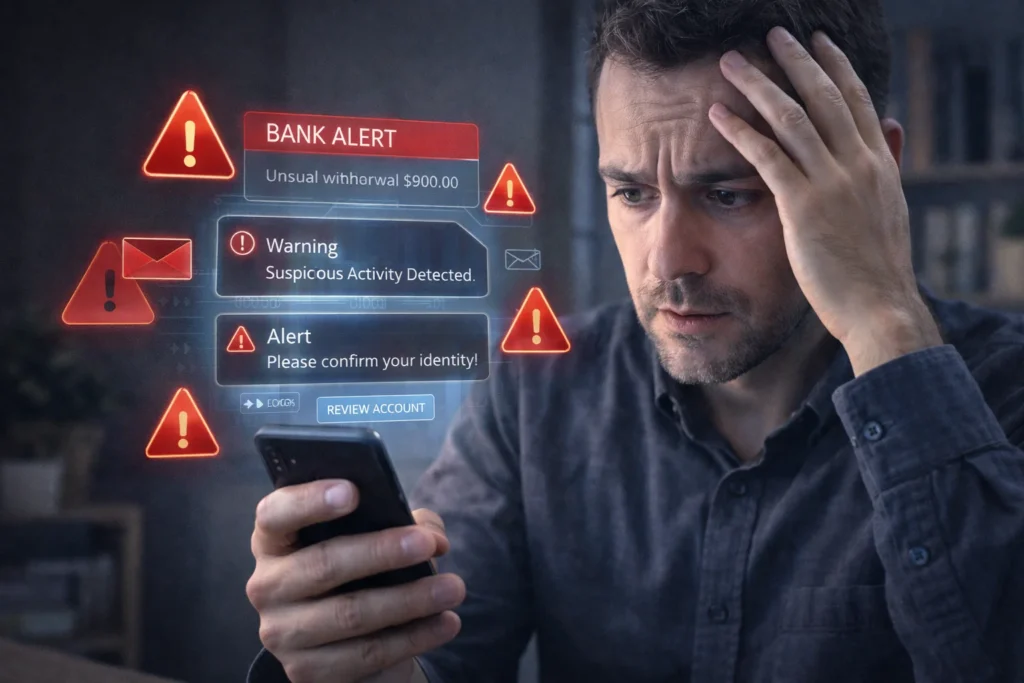
Example 1: Fake delivery message
A user receives a message saying, “Your package is delayed. Click here to confirm details.” The link leads to a fake website that steals login information.
Example 2: Data breach exposure
An online store is hacked, and user emails and passwords are leaked. Because the same password is used elsewhere, multiple accounts are compromised.
Example 3: Public Wi-Fi risk
Someone logs into their bank account on public Wi-Fi. A hacker intercepts the data and gains access.
These are not extreme cases—they are everyday digital risks.
Step-by-Step Solutions If You Suspect Identity Theft
If you notice any warning signs, act quickly. Speed matters.
Step 1: Secure your accounts
- Change passwords immediately
- Log out of all sessions
- Enable two-factor authentication (2FA)
Step 2: Check financial activity
- Review bank and card statements
- Freeze cards if needed
- Contact your bank’s security team
Step 3: Monitor your digital footprint
- Check email security activity
- Review connected apps
- Remove unknown devices
Step 4: Document everything
- Save emails
- Take screenshots
- Keep transaction records
Step 5: Report where necessary
- Contact service providers
- Use local cybercrime reporting portals
- Follow platform recovery processes
Banks usually advise early reporting because fast action limits damage.
How to Protect Your Digital Identity Long-Term
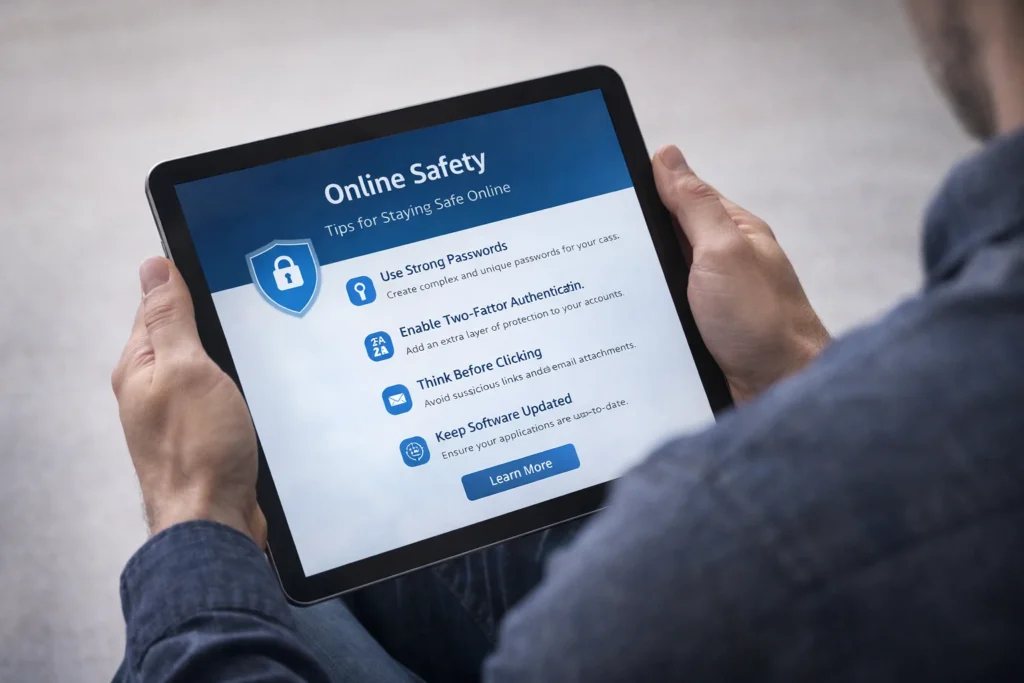
Protection is not about one tool—it’s about habits.
Strong digital protection habits
- Use unique passwords for each platform
- Store passwords in a secure password manager (natural space for affiliate tools)
- Enable two-factor authentication everywhere possible
- Keep devices updated
- Avoid clicking unknown links
- Verify websites before entering information
- Use secure networks for sensitive activity
Security teams suggest that layered protection is more effective than relying on one method.
Smart Prevention Tips That Actually Work
- Lock your SIM card with a PIN
- Hide personal details on social media
- Limit public profile visibility
- Avoid unknown browser extensions
- Use privacy-focused browsers
- Regularly review app permissions
- Remove unused accounts
Simple digital hygiene prevents most identity theft cases.
Practical Advice for Everyday Users
- Treat personal data like money
- Don’t rush through security prompts
- Read security emails carefully
- Never share verification codes
- Use official apps only
- Avoid “too good to be true” offers
Security experts recommend slowing down online actions—most scams rely on urgency.
Do’s and Don’ts
Do:
- Use strong authentication
- Monitor accounts weekly
- Update software
- Verify contacts
- Backup important data
Don’t:
- Reuse passwords
- Share personal info publicly
- Trust unknown links
- Ignore security alerts
- Save passwords in browsers without protection
Common Mistakes People Make
- Thinking identity theft only happens to careless users
- Ignoring small suspicious charges
- Using the same password everywhere
- Trusting verified-looking emails blindly
- Delaying action after suspicious activity
Most victims report early signs that were ignored.
When to Contact Support or Authorities
You should seek official support if:
- Financial fraud occurs
- Accounts are fully locked
- Personal data is misused
- Loans or services are opened in your name
- Identity misuse affects your records
Start with your bank or service provider. Many platforms have identity recovery teams. For broader guidance, government cybersecurity portals like consumer protection agencies and digital safety departments provide educational resources and reporting tools (example: national consumer protection or cybersecurity awareness portals).
Helpful Resources (Educational Use)
You can find educational guidance on identity protection through trusted public resources such as:
- Consumer protection agencies
- National cybersecurity awareness programs
- Digital privacy organizations
- Online safety education platforms
These sources focus on awareness, not selling.
FAQs
What are the most common identity theft warning signs?
Unrecognized transactions, login alerts from unknown locations, password changes you didn’t make, and recovery messages you didn’t request are common early signs.
How can I protect my digital identity easily?
Use strong unique passwords, enable two-factor authentication, avoid suspicious links, and monitor accounts regularly.
Can identity theft happen without financial loss?
Yes. Digital identity theft can involve account takeovers, impersonation, and data misuse without direct financial transactions.
Is public Wi-Fi dangerous for personal data?
Yes. Unsecured networks can expose login data if proper protection is not used.
Should I report identity theft immediately?
Yes. Early reporting reduces damage and increases recovery chances.
Conclusion
Digital life brings convenience, but it also brings responsibility. Understanding identity theft warning signs and knowing how to protect your digital identity is now part of basic online safety.
Identity theft is rarely dramatic at the start—it grows quietly through small gaps in security. Strong habits, awareness, and fast action are your best defenses. With the right mindset and simple protective steps, you can use digital platforms confidently and safely without fear.
Your digital identity is valuable. Protecting it today prevents problems tomorrow.