
Fake bank calls are one of the most common scams targeting seniors in 2026. Every year, thousands of older adults lose their hard-earned savings because scammers pretend to be from a real bank.
These criminals sound polite, professional, and convincing. They create fear and urgency, making seniors feel they must act immediately. This guide explains how these scams work, why seniors are targeted, and how to stay safe—in simple, easy-to-understand language.
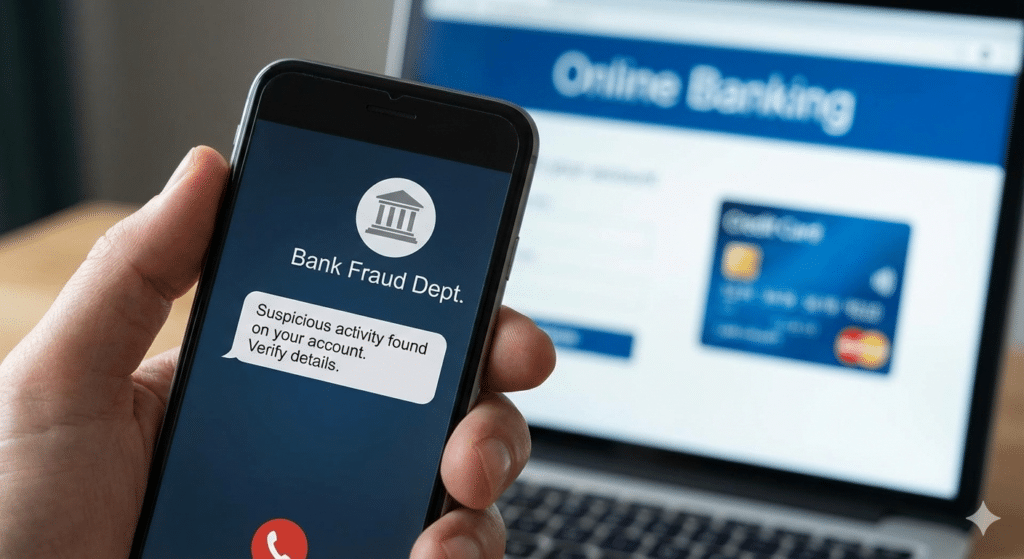
What Are Fake Bank Calls?
Fake bank calls (also called bank impersonation scams) happen when a scammer calls pretending to be from your bank, credit card company, or fraud department.
They may say things like:
- “Suspicious activity was found on your account”
- “Your debit card will be blocked today”
- “Someone tried to transfer money from your account”
- “We need to verify your details for security reasons”
The goal is simple: to steal your money or personal information.
Why Seniors Are Targeted More Often
Scammers target seniors because:
- Seniors often trust phone calls
- Many have savings, pensions, or Social Security income
- Seniors may not be familiar with new scam techniques
- Criminals believe seniors are more polite and less likely to hang up
👉 Related guide:
Banking Fraud Prevention Tips for Seniors
How Fake Bank Call Scams Usually Work
1. The Scammer Creates Fear
The caller claims there is a serious problem with your account. Fear makes people act quickly without thinking.
2. They Pretend to Be “Helpful”
They sound calm and professional, often using fake employee ID numbers.
3. They Ask for Sensitive Information
This may include:
- Debit or credit card number
- PIN or OTP code
- Online banking login
- Social Security number
⚠️ Real banks NEVER ask for these details on a call.
Common Tricks Used in 2026
Scammers are smarter than before. In 2026, common tricks include:
- Caller ID spoofing (shows your bank’s real number)
- AI-generated voices that sound human
- Fake SMS alerts followed by a call
- Recorded bank-style messages
- Pressure tactics like “act in 10 minutes”

Real-Life Example
A retired man received a call claiming to be from his bank’s fraud team. The caller said his account would be locked unless verified. Within minutes, his savings were transferred out. The bank confirmed later: the call was fake.
Warning Signs of a Fake Bank Call
If you notice any one of these, hang up immediately:
- The caller rushes you
- They ask for PIN or OTP
- They threaten account closure
- They ask you to move money
- They ask you to install an app
- They tell you not to call the bank yourself
👉 Learn more:
Red Flags of Investment Frauds for Seniors
How Seniors Can Protect Themselves
✔ Always Hang Up First
If you are unsure, hang up and call your bank using the number on your card.
✔ Never Share Codes or PINs
No real bank employee will ever ask for them.
✔ Talk to a Trusted Person
Before taking action, speak to a family member or trusted friend.
✔ Register for Call Blocking
Many phones and carriers offer free scam call blocking.
✔ Report the Scam
Inform your bank and local consumer protection agency.
What to Do If You Already Shared Information
- Call your bank immediately
- Block your card and online access
- Change all passwords
- Monitor your statements daily
- File a fraud report
👉 Helpful guide:
How Seniors Can Safely Use ATMs & Debit Cards
Why Elder Earn Shares This Guide
At Elder Earn, our goal is to:
- Educate seniors with clear and honest information
- Help retirees stay financially safe
- Share expert-backed guidance
- Protect your independence and peace of mind
We research real fraud cases, bank safety rules, and senior protection advice to keep you informed.
Final Thoughts
Fake bank calls are dangerous—but knowledge is your strongest defense.
If a call feels urgent, threatening, or strange—it’s okay to hang up.
Staying cautious today can protect your savings for years to come.
FAQs – Fake Bank Calls (2026)
Are bank fraud calls increasing in 2026?
Yes. Scam calls are increasing due to AI tools and caller ID spoofing.
Can banks really call customers?
Banks may call, but they never ask for PINs, OTPs, or passwords.
What should seniors do if they feel unsure?
Hang up and call the bank using the official number.
Can scammers fake bank phone numbers?
Yes. This is called caller ID spoofing.
Is it safe to talk to the caller?
No. If unsure, do not continue the call.