
Loneliness in Retirement
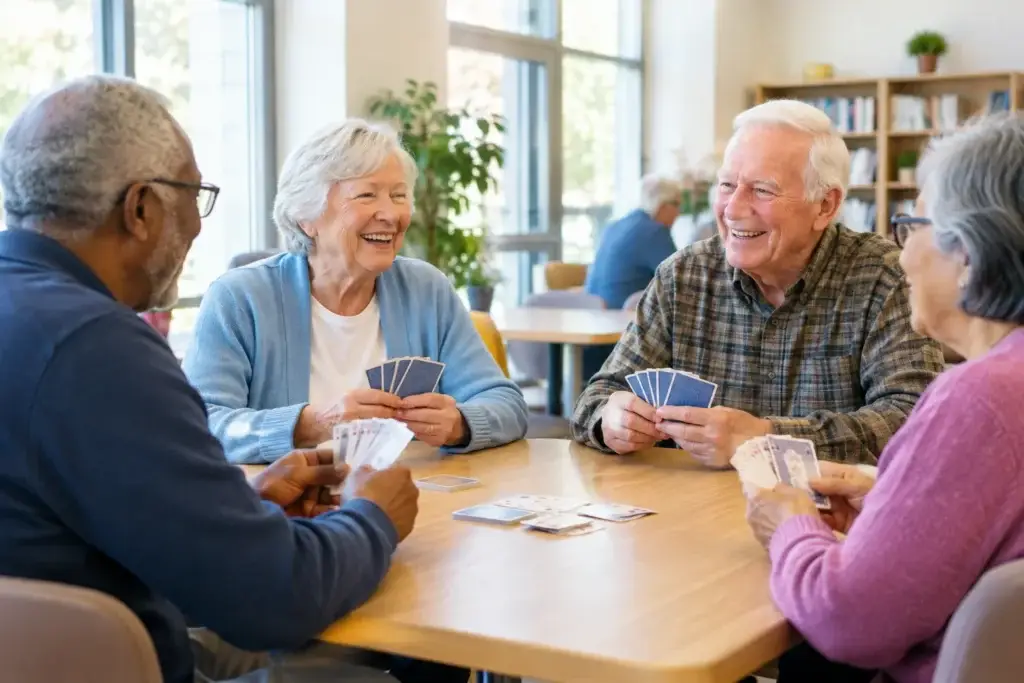
For years, work gave you a reason to get up, people to talk to, and a rhythm to your day. Then retirement arrives, and that rhythm quietly disappears.
Thank you for reading this post, don't forget to subscribe!
If the house has felt a little too quiet lately, you are not imagining it, and you are far from alone in feeling this way. Loneliness in retirement is one of the most common — and least talked about — adjustments older adults face. The good news is that it is also one of the most fixable.
This guide looks at why retirement makes loneliness more likely, what it can mean for your health, and practical, low-pressure ways to feel more connected again.
Loneliness vs. Social Isolation
They Are Not the Same Thing
These two words get used interchangeably, but they describe different problems, and knowing which one you are dealing with helps you pick the right fix.
Social isolation is about numbers. It means having few social contacts, few regular visits, and little involvement in group activities. You can measure it by counting how many people you actually talk to in a normal week.
Loneliness is about feeling, not counting. It is the gap between the connection you want and the connection you have. This is why someone can live with family, see people every day, and still feel lonely — and why someone who lives alone and sees few people can feel completely content.
Understanding which one applies to you matters, because the solutions are different. Social isolation is solved by adding more contact. Loneliness is solved by adding more meaningful contact — even a small amount.
Why Retirement Makes This More Likely
Retirement removes several sources of connection at once, often without warning.
- The workplace disappears. Coworkers were often a daily source of conversation, even small talk, and that disappears overnight.
- Routines change. A structured day gave natural chances to interact with people. Without it, days can blur together with no built-in social contact.
- A spouse or close friends may pass away. Losing a partner or lifelong friend removes a primary source of daily connection, right when you need support most.
- Adult children move away. Family may be a phone call away instead of a visit away, especially if grandchildren live in another state.
- Driving becomes harder. Giving up a car, or driving less at night, can quietly shrink your world to whatever is within walking distance.
- Hearing or vision changes. Group conversations and social events become tiring or frustrating, so it feels easier to simply stay home.
None of this happens because something is wrong with you. It happens because retirement removes structure, and structure is what most of us rely on to stay socially connected without even trying.
What the Research Actually Says About the Health Impact
This is not just an emotional issue — researchers have studied it closely, and the findings are worth taking seriously.
According to the National Institute on Aging, roughly 28 percent of older adults in the United States live alone, which puts a large share of seniors at higher risk of isolation simply based on living arrangements. Research summarized by the Centers for Disease Control and Prevention (CDC) links a lack of social connection to a higher risk of heart disease, stroke, depression, and cognitive decline, including dementia. The U.S. Surgeon General’s 2023 report on the subject went as far as comparing the health risk of chronic loneliness to smoking daily.
None of this is meant to alarm you — it is meant to explain why staying connected deserves the same attention you already give to your finances and your physical health. It is a genuine part of aging well, not an afterthought.
Simple, Low-Pressure Ways to Rebuild Connection
You do not need a packed social calendar to feel less lonely. Small, consistent contact tends to work better than occasional big events. Here are realistic places to start.
1. Build one small social habit into your week. Pick one recurring activity — a weekly coffee, a Sunday phone call, a Tuesday walk with a neighbor — and protect it like an appointment. Consistency matters more than frequency.
2. Visit your local senior center. Most communities run a senior or community center with classes, meals, card games, or day trips. These are usually free or low-cost, and they exist specifically to help people meet others in the same stage of life.
3. Volunteer for something you care about. Volunteering gives you a reason to leave the house, a sense of purpose, and a way to meet people through shared activity instead of forced small talk. Libraries, food banks, hospitals, and animal shelters almost always need help.
4. Join a class or group built around a shared interest. Gardening clubs, book clubs, faith groups, walking groups, and community college courses for older adults all work the same way — they give you something to talk about besides yourself, which makes connecting much easier.
5. Use video calls, not just phone calls, with family. Hearing a voice is good. Seeing a face is better, especially for grandchildren who may be too young to hold a long phone conversation but light up on a video call. If the technology feels intimidating, ask a family member to set it up once and write the steps down for you.
6. Consider a pet, if your situation allows it. A dog that needs a daily walk gets you outside and often leads to conversations with other pet owners in the neighborhood. Even a cat can meaningfully reduce the feeling of an empty house.
7. Say yes more often than feels comfortable at first. Loneliness has a way of making invitations feel like effort. It is normal to want to decline. Try saying yes anyway, even to something small — the momentum tends to build from there.
Using Technology Safely to Stay Connected
Technology can genuinely help close the distance with family and old friends, but it is worth using it carefully.
- Stick to well-known platforms for video calls, such as the ones your family already uses.
- Never send money, gift cards, or account details to someone you only know from an online group or app, no matter how close you feel to them.
- If a new “friend” you met online starts asking about your finances, treat that as a warning sign, not a coincidence.
- Ask a family member to help you set privacy settings once, so you are not sharing more than you intend to.
Scammers specifically target lonely seniors because they know emotional connection lowers guard. Staying socially connected through trusted people is protective — staying connected through strangers who ask for money is not. For more on spotting the warning signs, see our guide on common scam tactics that target seniors.
How Family Members Can Help
If you are reading this because you are worried about a parent or older relative, a few things genuinely help:
- Schedule regular calls or visits instead of leaving them to chance — “we’ll talk soon” rarely becomes a habit on its own.
- Ask specific questions, like “what did you do this week,” rather than general ones like “how are you,” which are easy to answer with a quiet “fine.”
- Help set up transportation options if driving has become difficult, so isolation does not happen simply because getting out is hard.
- Watch for changes in appetite, sleep, or mood, since these can be signs that loneliness is affecting health, not just spirits.
When to Seek More Support
Occasional loneliness is a normal part of life. But if it becomes constant, or starts affecting sleep, appetite, or daily functioning, it is worth talking to a doctor. Persistent loneliness can overlap with depression, and a healthcare provider can help sort out which one you are dealing with and what support makes sense.
The Eldercare Locator (eldercare.acl.gov, 1-800-677-1116), run by the U.S. Administration for Community Living, connects older adults with local support services, including transportation, meals, and social programs. If loneliness ever comes with thoughts of hopelessness or not wanting to go on, the 988 Suicide & Crisis Lifeline (call or text 988) is available anytime, and reaching out is never an overreaction.
FAQs
Is it normal to feel lonely after retiring?
Yes. Retirement removes a major daily source of structure and social contact, so a period of adjustment is common. What matters is building new sources of connection rather than assuming the feeling will simply pass.
What is the difference between being alone and being lonely?
Being alone is a physical state — how much time you spend by yourself. Loneliness is an emotional state — feeling disconnected, regardless of how much company you have.
Can loneliness actually affect physical health?
Research from the CDC and National Institute on Aging links chronic loneliness and social isolation to higher risks of heart disease, stroke, and cognitive decline. It is a genuine health factor, not just an emotional one.
What is the easiest first step to take?
Pick one small, repeatable activity — a weekly call, a walking group, a class — rather than trying to fix everything at once. Consistency builds connection faster than occasional big efforts.
Where can seniors find local social programs?
The Eldercare Locator (eldercare.acl.gov) is a free, government-run service that connects older adults with local senior centers, meal programs, and social activities based on ZIP code.
Final Thoughts
Retirement takes away a lot of the built-in structure that used to keep you connected to other people, and that adjustment is real. But it does not mean your social life is out of your control — it just means you have to build it on purpose now, instead of it happening automatically.
You do not need to fix everything this week. Pick one small habit from this guide — a weekly call, a class, a walk with a neighbor — and start there. Connection tends to grow once you give it a small, steady push.