
Financial scams continue to evolve, but many of them rely on the same simple trick—earning a person’s trust before asking for money or personal information. Scam Tactics That Target Seniors often focus on retirees because scammers believe older adults may have savings, own property, or be more willing to answer phone calls and emails.
Thank you for reading this post, don't forget to subscribe!
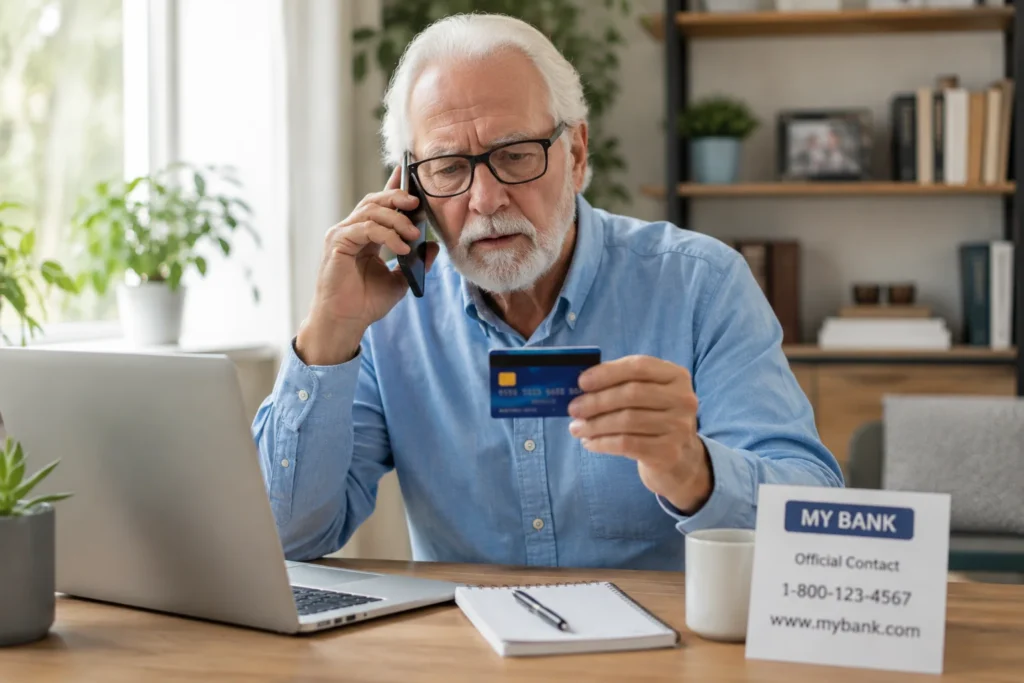
The good news is that awareness is one of the strongest defenses. By understanding how scammers operate and recognizing common warning signs, seniors and their families can make informed decisions and reduce the risk of becoming victims. This guide explains the most common scams, how they work, and practical ways to stay safe without creating unnecessary fear.
Why Do Scammers Often Target Older Adults?
Most seniors are careful with their finances. However, scammers often assume older adults may:
- Have retirement savings or pensions
- Answer unknown phone calls more frequently
- Be less familiar with newer online scams
- Trust people who appear professional or helpful
- Want to help family members during emergencies
These assumptions do not mean seniors are easy targets. In reality, scammers contact thousands of people every day, hoping someone will respond.
Common Scam Tactics That Target Seniors
Understanding these scam tactics makes it much easier to recognize suspicious situations before any damage is done.
1. Impersonation Scams
One of the oldest and most successful scam methods involves pretending to be someone trustworthy.
A scammer may claim to represent:
- A bank
- A government agency
- A healthcare provider
- A utility company
- A technology support service
They often create urgency by saying:
- Your account has been compromised.
- You owe money immediately.
- Your benefits will stop.
- Your computer has a virus.
Their goal is usually to obtain personal information or convince the victim to send money.
Remember: Legitimate organizations rarely demand immediate payment over the phone or ask for sensitive information unexpectedly.
2. Grandparent and Family Emergency Scams
These scams are emotionally convincing.
A caller pretends to be a grandchild, relative, or friend facing an emergency. They may say they were:
- Arrested while traveling
- Injured in an accident
- Stranded in another city
- Needing urgent medical help
The scammer asks for money quickly and often requests secrecy.
Before taking any action:
- Contact the family member directly.
- Call another trusted relative.
- Verify the situation independently.
Never rely only on the caller’s story.
3. Tech Support Scams
Tech support scams frequently begin with:
- Pop-up warnings
- Unexpected phone calls
- Fake emails
The message claims your computer has been hacked or infected.
The scammer encourages you to:
- Download remote access software
- Pay for unnecessary repairs
- Reveal passwords
- Share banking information
Real technology companies do not randomly call customers to report computer problems.
4. Lottery and Prize Scams
Receiving exciting news about winning a prize sounds wonderful—but scammers know this.
Typical claims include:
- You won a lottery.
- You inherited money.
- You received a sweepstakes prize.
The catch?
You must first pay:
- Taxes
- Shipping fees
- Processing costs
- Insurance charges
Legitimate prizes do not require advance payment.
If you never entered a contest, be especially cautious.
5. Romance Scams
Online friendships can be meaningful, but scammers sometimes build emotional relationships solely for financial gain.
They may:
- Contact victims on social media
- Use dating websites
- Communicate for weeks or months
- Avoid meeting in person
- Eventually request money
Common excuses include:
- Medical emergencies
- Travel expenses
- Business problems
- Military deployment
Experts recommend never sending money to someone you have not met in person and independently verified.
6. Investment and Financial Fraud
Scammers often advertise:
- Guaranteed profits
- Risk-free investments
- Exclusive opportunities
- Limited-time offers
These promises usually sound much better than legitimate investments.
Banks and financial professionals generally advise taking time to research every investment opportunity before making decisions.
If someone pressures you to act immediately, consider it a warning sign.
7. Medicare and Healthcare Scams
Healthcare scams often involve fake representatives requesting:
- Medicare numbers
- Insurance information
- Identity verification
- Payment for equipment or services
Sometimes scammers offer “free” medical devices or health benefits that never exist.
Always verify healthcare communications using official phone numbers listed on your insurance documents.
8. Charity Scams
Following natural disasters or public emergencies, fake charities may appear quickly.
They often:
- Pressure people into donating immediately
- Use emotional stories
- Mimic well-known charity names
Before donating:
- Research the organization.
- Visit its official website.
- Confirm its registration when possible.
Giving should never feel rushed.
9. Online Shopping Scams
Fake online stores often advertise:
- Extremely low prices
- Limited-time sales
- Hard-to-find products
Warning signs include:
- No customer service information
- Poor grammar
- No return policy
- Requests for unusual payment methods
Shopping only from reputable retailers greatly reduces the risk.
How Scammers Gain Trust
Understanding psychological tactics is just as important as recognizing scam types.
Scammers commonly use:
Urgency
They insist you must act immediately.
Examples include:
- “Your account will be closed today.”
- “Pay within one hour.”
- “This offer expires now.”
Urgency discourages careful thinking.
Fear
Scammers create anxiety by claiming:
- Legal action is pending.
- Your account is compromised.
- Your identity has been stolen.
Fear encourages quick decisions.
Authority
They pretend to represent trusted organizations.
Uniforms, official-looking emails, fake identification, and convincing phone scripts make the scam appear legitimate.
Kindness
Not every scammer sounds aggressive.
Some spend days or weeks building trust before asking for money.
Friendly conversations should never replace independent verification.
Warning Signs You Should Never Ignore
Watch for these common red flags:
- Requests for gift cards as payment
- Demands for cryptocurrency transfers
- Pressure to keep conversations secret
- Unexpected requests for passwords
- Requests to install remote software
- Payment demands through wire transfers
- Poorly written emails with suspicious links
- Unexpected phone calls asking for sensitive information
Even one warning sign deserves caution.
Practical Steps to Protect Yourself
Verify Before Acting
If someone claims to represent your bank or another organization:
- Hang up politely.
- Find the official phone number.
- Call the organization directly.
Never use the phone number provided by the suspicious caller.
Protect Personal Information
Avoid sharing:
- Social Security numbers
- Banking information
- Passwords
- One-time verification codes
- Credit card details
Legitimate organizations usually have secure methods for verifying identity.
Slow Down
Scammers rely on quick decisions.
Take time to:
- Ask questions
- Speak with family
- Research the situation
- Verify information
A legitimate organization will usually respect your need to think.
Use Strong Online Security
Good digital habits include:
- Strong passwords
- Two-factor authentication
- Software updates
- Antivirus protection
- Secure Wi-Fi connections
These simple steps help reduce many online risks.
Stay Informed
Scam techniques change over time.
Reading reliable fraud prevention articles and following updates from trusted organizations helps you recognize new threats early.
You may also find our guide on How Seniors Can Identify and Avoid Online Scams helpful for learning about newer digital fraud methods.
A Real-Life Example
Margaret, a retired teacher, received a phone call from someone claiming to be from her bank’s fraud department.
The caller explained that suspicious activity had been detected and requested a verification code sent to her phone.
Instead of sharing the code, Margaret thanked the caller, ended the conversation, and contacted her bank using the number printed on the back of her debit card.
The bank confirmed there was no fraud alert. By taking a few extra minutes to verify the information, she avoided giving scammers access to her account.
This simple habit—verifying independently—can prevent many common scams.
Do’s and Don’ts
Do
- Verify unexpected requests independently.
- Keep personal information private.
- Use official websites.
- Talk with trusted family members before making large financial decisions.
- Report suspicious contacts.
Don’t
- Share verification codes.
- Pay with gift cards because someone instructed you to.
- Click unknown links in emails or text messages.
- Trust callers solely because they sound professional.
- Rush into financial decisions.
Common Mistakes Seniors Should Avoid
Many scam victims make honest mistakes under pressure.
Common examples include:
- Assuming caller ID is accurate
- Believing official-looking emails automatically
- Ignoring small warning signs
- Feeling embarrassed to ask questions
- Sending money before verifying the situation
Remember, asking questions is a sign of caution—not weakness.
When Should You Contact Your Bank or Authorities?
If you believe you’ve shared sensitive information or sent money to a scammer, act as soon as possible.
Consider contacting:
- Your bank or credit card provider
- Your financial institution’s fraud department
- Local law enforcement if appropriate
- The Federal Trade Commission (FTC) to report fraud at https://reportfraud.ftc.gov/
- The FBI Internet Crime Complaint Center (IC3) for internet-related fraud at https://www.ic3.gov/
Reporting scams may help prevent others from becoming victims.
Frequently Asked Questions
What are the most common scam tactics that target seniors?
Some of the most common scams include impersonation scams, family emergency scams, tech support scams, lottery scams, romance scams, investment fraud, healthcare scams, and fake charities.
Why do scammers pressure people to act immediately?
Urgency prevents people from taking time to verify information or consult trusted family members, increasing the likelihood of impulsive decisions.
Can legitimate banks ask for passwords or verification codes?
Banks usually do not ask customers to reveal passwords or one-time security codes during unexpected phone calls or emails. If you’re unsure, contact your bank directly using its official contact information.
What should I do if I receive a suspicious phone call?
Remain calm, avoid sharing personal information, end the call, and contact the organization using an official phone number to verify the request.
Are online scams becoming more common?
As more services move online, scammers continue adapting their methods. Staying informed and practicing good online security habits helps reduce the risk.
Should I report scam attempts even if I didn’t lose money?
Yes. Reporting suspicious activity helps authorities track scam trends and may help protect other people from similar fraud attempts.
Conclusion
Scammers continue to invent new stories, but their goals rarely change. They want people to act quickly without verifying the facts. Learning about Scam Tactics That Target Seniors makes it much easier to recognize warning signs before sharing personal information or sending money.
Simple habits—such as slowing down, verifying unexpected requests, protecting personal information, and discussing unusual situations with trusted family members—can make a significant difference. Most scams succeed because of urgency, not because victims lack intelligence.
Staying informed, asking questions, and relying on official sources are some of the most effective ways to protect yourself and your loved ones. Awareness remains one of the strongest tools for preventing financial fraud and maintaining peace of mind.