
Introduction
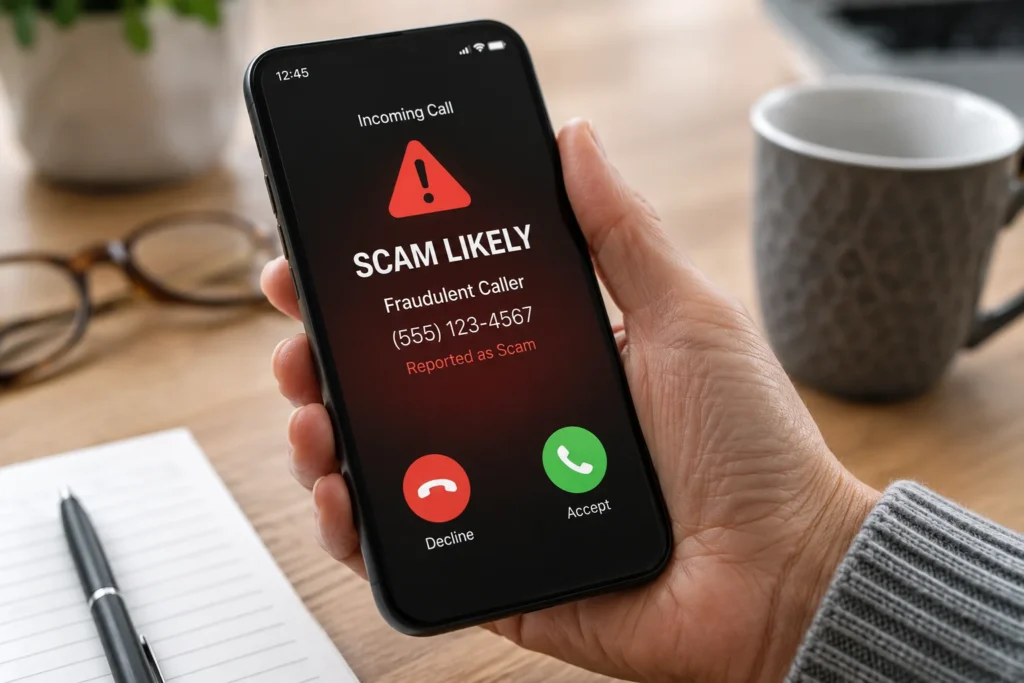
Phone scams continue to target older adults every year, and scammers are becoming more convincing than ever. Learning how seniors can avoid phone scams in 2026 is essential for protecting personal information, finances, and peace of mind.
Thank you for reading this post, don't forget to subscribe!
Many scam calls sound professional and may even appear to come from trusted organizations. While technology has improved, scammers have also adapted their tactics. The good news is that a few practical habits can significantly reduce the risk of becoming a victim.
This guide explains common phone scam techniques, warning signs to watch for, and simple steps seniors can take to stay safe.
Emergency Fund Planning After Retirement
Why Phone Scams Continue to Target Seniors
Scammers often focus on older adults because they believe seniors are more likely to answer calls and engage in conversations.
Common reasons scammers target seniors include:
- Retirement savings may be available
- Seniors often answer unknown calls
- Scammers assume older adults are more trusting
- Fraudsters use emotional manipulation involving family members
- Some seniors may not be familiar with the latest scam tactics
However, awareness and preparation can make a significant difference.
Common Phone Scams Affecting Seniors in 2026
Government Impersonation Scams
Scammers pretend to represent government agencies and claim there is a problem with taxes, benefits, or identification documents.
They may:
- Demand immediate payment
- Threaten legal action
- Ask for sensitive personal information
Legitimate government agencies typically do not demand payments over the phone.
Bank Fraud Calls
Fraudsters claim there is suspicious activity on a bank account.
They may ask for:
- Account numbers
- Debit card details
- One-time verification codes
- Online banking credentials
Banks usually advise customers never to share security codes or passwords over the phone.
Grandparent Scams
A scammer pretends to be a grandchild or relative in trouble.
Typical claims include:
- Being arrested
- Having a medical emergency
- Needing urgent travel funds
The caller often asks for money immediately and requests secrecy.
Bank Call Asking for CVV Number — Is This a Scam or Real?
Prize and Sweepstakes Scams
Victims are told they have won a prize but must first pay fees or taxes.
Red flags include:
- Upfront payment requests
- Pressure to act quickly
- Requests for gift cards
Legitimate prizes generally do not require winners to pay fees before receiving rewards.
Tech Support Scams
The caller claims a computer or smartphone has been infected with malware.
They may request:
- Remote access to a device
- Payment for fake repairs
- Personal information
Real technology companies generally do not make unsolicited support calls.
Warning Signs of a Phone Scam
Recognizing common warning signs is one of the most effective ways to avoid fraud.
The Caller Creates Urgency
Scammers want people to act before they have time to think.
Examples include:
- “Your account will be closed today.”
- “You must pay immediately.”
- “The police will be notified.”
Pressure tactics should always raise suspicion.
Requests for Personal Information
Be cautious if a caller asks for:
- Social Security numbers
- Banking information
- Passwords
- Verification codes
Legitimate organizations usually have secure procedures for handling sensitive information.
Federal Trade Commission (FTC) Scam Alerts
Requests for Unusual Payment Methods
Scammers often request payment through:
- Gift cards
- Wire transfers
- Cryptocurrency
- Payment apps
These methods can be difficult to recover once funds are sent.
Caller ID Looks Suspicious
Scammers can manipulate caller ID information to make calls appear legitimate.
Never assume a call is genuine simply because the displayed number looks familiar.
Step-by-Step Guide to Handling Suspicious Calls
Step 1: Stay Calm
Scammers rely on emotional reactions.
Take a moment to think before responding to any request.
Step 2: Do Not Share Information
Avoid providing:
- Personal details
- Financial information
- Account numbers
- Security codes
Even small pieces of information can help scammers build trust.
Step 3: Ask Questions
If the caller claims to represent an organization, ask:
- Their full name
- Department
- Official contact number
- Reference number
Legitimate representatives should be able to provide this information.
Step 4: Hang Up and Verify
If uncertain, end the call.
Then contact the organization directly using a phone number listed on its official website or account statement.
Step 5: Report Suspicious Activity
Reporting scams helps authorities identify fraud patterns and protect others.
Practical Safety Habits for Seniors
Developing a few daily habits can greatly improve protection against scams.
Let Unknown Calls Go to Voicemail
Many legitimate callers will leave a message explaining why they called.
This provides time to evaluate the situation without pressure.
Use Call Blocking Features
Many smartphones and phone providers offer tools that help reduce spam and scam calls.
Discuss Suspicious Calls with Family
A second opinion can help identify warning signs that may not be immediately obvious.
Keep Personal Information Private
Avoid discussing:
- Financial accounts
- Retirement balances
- Banking details
with unexpected callers.
Stay Informed
Scam tactics change frequently.
Reading about new fraud trends can help seniors recognize threats early.
Consumer Financial Protection Bureau (CFPB) Fraud Resources
Real-Life Example
Imagine a retired individual receives a call claiming to be from their bank.
The caller says suspicious transactions have been detected and asks for a one-time security code sent by text message.
Because the person recently learned about phone scams, they refuse to share the code and instead call the bank directly using the number on the back of their debit card.
The bank confirms that no fraud alert exists.
By verifying independently, the individual avoids a potential account takeover.
Do’s and Don’ts for Phone Safety
Do’s
- Verify claims independently
- Hang up if something feels suspicious
- Use call screening tools
- Discuss concerns with trusted family members
- Report scam attempts
Don’ts
- Share passwords or verification codes
- Send money during unexpected calls
- Trust caller ID alone
- Allow pressure to influence decisions
- Give personal information to unknown callers
Common Mistakes Seniors Make
Assuming the Caller Is Legitimate
Professional-sounding callers can still be scammers.
Always verify independently.
Responding Too Quickly
Fraudsters often create urgency to prevent careful thinking.
Taking time to verify information is important.
Trusting Caller ID
Technology allows scammers to disguise their phone numbers.
Caller ID should never be the only verification method.
Sharing Verification Codes
One-time codes are designed to protect accounts.
Sharing them can give scammers access to sensitive information.
Feeling Embarrassed About Reporting Scams
Many intelligent and cautious people receive scam calls.
Reporting attempts helps protect others.
When to Contact Your Bank or Authorities
Consider contacting your bank immediately if:
- Personal banking information was shared
- A payment was sent to a suspicious caller
- Account activity appears unusual
- Verification codes were provided
You should also report fraud attempts to appropriate consumer protection and law enforcement agencies in your area.
Prompt reporting may improve the chances of limiting damage.
How Family Members Can Help Protect Seniors
Family support plays an important role in scam prevention.
Helpful actions include:
- Discussing common scam tactics
- Reviewing suspicious messages together
- Encouraging verification before payments
- Setting up call blocking features
- Creating a trusted contact plan for emergencies
Open communication can reduce the effectiveness of scam tactics.
Frequently Asked Questions
How can seniors identify a phone scam?
Common signs include pressure to act immediately, requests for personal information, threats, and demands for unusual payment methods such as gift cards or wire transfers.
Should I answer calls from unknown numbers?
It is often safer to let unknown calls go to voicemail. Legitimate callers usually leave a message explaining their purpose.
Can scammers fake caller ID information?
Yes. Scammers can use caller ID spoofing to make a call appear to come from a trusted organization or local number.
What should I do if I accidentally shared personal information?
Contact your bank or relevant service provider immediately and monitor accounts for unusual activity.
Are scam calls increasing?
Scammers continue to develop new tactics each year. Staying informed and cautious remains one of the best defenses.
Should I trust someone claiming to be from my bank?
Always verify independently by calling the official phone number listed on your bank card or account statement.
Conclusion
Understanding how seniors can avoid phone scams in 2026 is an important part of protecting personal information and financial security. While scammers constantly adapt their tactics, most fraud attempts share common warning signs such as urgency, requests for sensitive information, and pressure to send money.
By staying informed, verifying claims independently, and refusing to share confidential information during unexpected calls, seniors can greatly reduce their risk. A few simple precautions can make all the difference when it comes to staying safe and confident in today’s connected world.